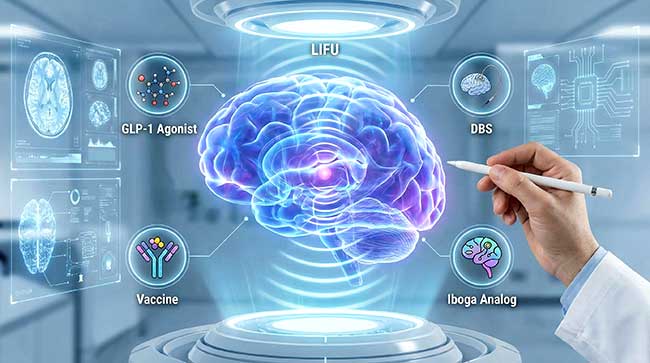
For decades, the public face of addiction recovery has been dominated by a few well-known models: the 12-step fellowship, the 28-day inpatient rehab, and traditional talk therapy. While these approaches have saved countless lives and remain a vital part of the recovery ecosystem, a quiet revolution is underway in labs and clinics around the world. A new wave of innovative, evidence-based treatments is emerging, offering hope where traditional methods have failed. These are not magic bullets, but sophisticated tools that target the very roots of addiction in the brain, body, and mind.
This new frontier moves beyond simply managing withdrawal or promoting abstinence. It’s about repairing the underlying neurological damage, processing the deep-seated trauma that often fuels substance use, and recalibrating the body’s own systems to foster sustainable recovery. Here are some of the most promising under-the-radar treatments changing the landscape of addiction care.
- Pharmacogenetics: The Era of Personalized Medicine
The old model of medication-assisted treatment (MAT) often involved a trial-and-error approach. A patient would be prescribed a drug like buprenorphine or naltrexone and hope for the best, often dealing with side effects or inadequate results.
Pharmacogenetics shatters this one-size-fits-all model. This approach uses genetic testing to analyze how an individual’s unique genetic makeup affects their response to medications. By swabbing a patient’s cheek, clinicians can now predict:
- Metabolism Rate: Will a patient be a rapid, intermediate, or slow metabolizer of a specific drug? This determines the correct dosage and can prevent side effects or therapeutic failure.
- Drug Efficacy: Certain genetic markers can indicate whether a patient is more or less likely to respond positively to naltrexone for alcohol use disorder, for instance.
The result is a personalized prescription plan from day one. This not only improves outcomes but also builds patient trust and engagement, as the treatment feels specifically tailored to their biology. It’s a move from guessing to knowing, making medication-assisted treatment more precise and effective than ever before.
- Psychedelic-Assisted Psychotherapy: Facing the Root Cause
After a decades-long hiatus due to political and cultural stigma, psychedelic compounds are making a dramatic return to clinical research with rigorous scientific backing. The premise is profound: these substances, when administered in a controlled, therapeutic setting, can facilitate a breakthrough in psychotherapy.
The two most prominent players are:
- Psilocybin: Found in “magic mushrooms,” psilocybin is showing remarkable efficacy in trials for alcohol and tobacco addiction. Under the guidance of trained therapists, a patient undergoes a session that can produce mystical-type experiences and a profound sense of interconnectedness. This often leads to a fundamental shift in perspective, allowing individuals to break free from the rigid, compulsive thought patterns of addiction and confront underlying trauma without fear.
- Ibogaine: A powerful psychoactive substance derived from the West African iboga plant, ibogaine is noted for its ability to dramatically reduce withdrawal symptoms and interrupt addiction cravings, particularly for opioids. Its mechanisms are complex, involving the resetting of neurotransmitter systems. However, due to potential cardiac risks, its use is strictly confined to specialized clinical settings outside the United States.
These therapies are not about “tripping.” They are about using powerful tools to catalyze deep, introspective work, allowing patients to reprocess traumatic memories and gain a new, healthier relationship with themselves and their addiction.
- Neuromodulation: Resetting the Brain’s Circuitry
Addiction physically alters the brain, hijacking its reward system and weakening its prefrontal cortex (the area responsible for impulse control and decision-making). Neuromodulation therapies aim to directly correct these dysfunctions.
- Transcranial Magnetic Stimulation (TMS): Already FDA-approved for depression, TMS uses magnetic pulses to stimulate nerve cells in specific brain regions. For addiction, targets often include the dorsolateral prefrontal cortex to strengthen cognitive control and the insula to reduce cravings. It’s non-invasive, has minimal side effects, and is being studied for everything from cocaine to opioid use disorders.
- Deep Brain Stimulation (DBS): A more invasive treatment reserved for severe, treatment-resistant cases, DBS involves surgically implanting electrodes in the brain to deliver continuous electrical impulses. It’s like a pacemaker for the brain, normalizing activity in circuits gone awry. While still experimental for addiction, early results for extreme opioid addiction are compelling.
These technologies represent a paradigm shift: instead of just talking about the brain, we are now learning how to directly repair its malfunctioning parts.
- Nutritional Psychiatry and Gut-Brain Repair
The connection between the gut and the brain is one of the most exciting areas of modern medicine, and it holds immense promise for addiction treatment. Chronic substance use wreaks havoc on gut health, leading to inflammation, nutrient deficiencies, and a damaged gut lining (“leaky gut”). This, in turn, exacerbates anxiety, depression, and cravings.
Emerging protocols now incorporate:
- Targeted Nutrient Therapy: High-dose specific amino acids, vitamins, and minerals are used to replenish depleted neurotransmitters. For example, L-Glutamine can significantly reduce sugar and alcohol cravings by stabilizing blood sugar and providing the brain with an alternative fuel source.
- Microbiome Restoration: Using probiotics, prebiotics, and dietary changes to heal the gut. A healthy gut microbiome produces neurotransmitters like GABA and serotonin, which are crucial for mood stability and reducing anxiety—a common trigger for relapse.
This holistic approach recognizes that you cannot heal a broken brain without healing the body that supports it. Proper nutrition provides the fundamental building blocks for recovery, reducing physiological stress and making psychological work more effective.
- Digital Therapeutics and VR Exposure Therapy
Technology is also creating new, accessible avenues for support.
- Digital Therapeutics: FDA-approved apps like reSET® and reSET-O® deliver cognitive behavioral therapy (CBT) directly to a patient’s smartphone. These programs provide structured lessons, craving tools, and contingency management (e.g., earning rewards for negative drug screens), offering 24/7 support that complements traditional therapy.
- Virtual Reality (VR) Exposure Therapy: Patients don a VR headset and are safely immersed in environments designed to trigger cravings—a virtual bar or a party where drugs are present. In this controlled space, they practice coping skills and resistance techniques with a therapist guiding them. It’s a powerful form of exposure therapy that desensitizes patients to real-world triggers, building resilience in a safe environment.
The Path Forward
The era of these under-the-radar treatments signals a move toward a more compassionate, nuanced, and effective model of addiction care. The future lies not in abandoning proven methods, but in integrating them with these advanced tools. The goal is a multi-faceted approach: using pharmacogenetics to find the right medication, psychedelic therapy to process core trauma, neuromodulation to stabilize brain circuits, and nutritional support to heal the body.
Addiction is a complex biopsychosocial disease, and it demands an equally complex and personalized solution. This quiet revolution is finally providing the arsenal needed to fight it on all fronts, offering new hope and a tangible path to reclaiming a life of purpose and connection.